Time Management & Self-Discipline in ODL
Introduction
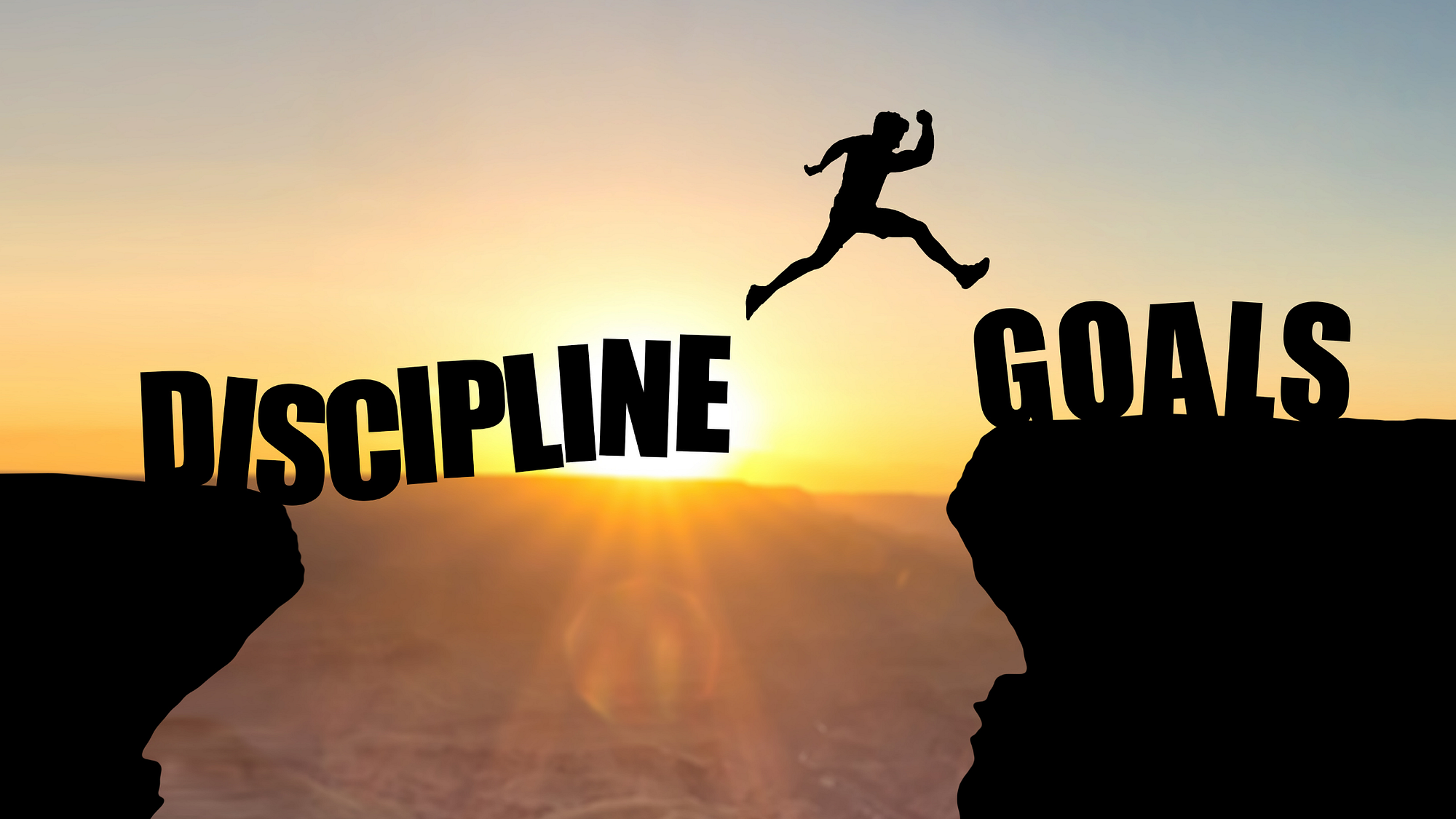
One of the most common struggles faced by Open Distance Learners is managing time effectively while staying self-disciplined in a flexible learning environment. Without the structure of a traditional classroom, it’s easy to fall behind or feel overwhelmed with procrastination. However, mastering these two skills can transform your ODL experience into a productive, balanced journey. After all it is rewarding.
In this post, I’ll share why these skills matter and how you can build them.
Why Time Management Matters in ODL
ODL places the responsibility of learning entirely on the student. This means you decide when to watch lectures, complete assignments, and participate in discussions at your own cost. In the absence of a clear plan, it’s easy for deadlines to pile up or for important tasks to be overlooked.
Followings are some benefits that you can achieve through time management.
Reduces stress and last-minute panic.
Ensures steady academic progress.
Creates space for work, family, or social life.
Increases productivity and learning satisfaction.
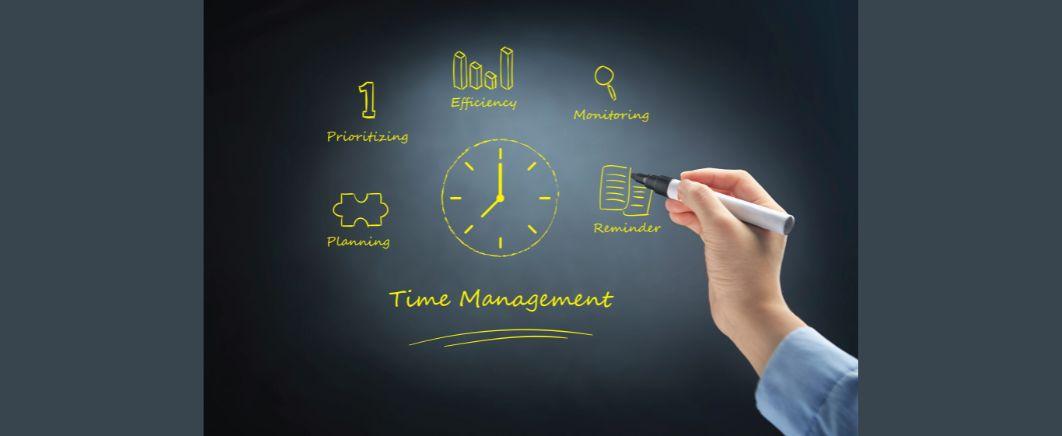
How to Manage Your Time Effectively
1. Set SMART Goals
- Goals should be Specific, Measurable, Achievable, Relevant, and Time-bound. For example, “Complete Unit 2, session 4 of Motivation and Emotion Course by Friday 8.00 p.m.” is a SMART goal.
2. Use a Planner or Digital Calendar
- Apps like Google Calendar or Trello can help you schedule study hours, assignment deadlines, and group discussions.
3. Prioritize Tasks
- Use the Eisenhower Matrix to decide what needs immediate attention and what can wait. Thereby you can figure out what is urgent and important.
4. Avoid Multitasking
- Focus on one subject or task at a time. Multitasking often reduces efficiency and leads to mistakes.
5. Use Timers and Breaks:
- The Pomodoro Technique improves concentration and prevents burnout.
The Importance of Self-Discipline in ODL
Self-discipline is the ability to stay focused and committed to your academic responsibilities without supervision. It is the backbone of successful distance learning because,
No one’s physically there to remind you of deadlines.
Distractions (social media, chores, hobbies) are everywhere.
Learning requires regular, consistent effort.
Benefits of Strong Self-Discipline
Keeps your academic routine steady.
Helps avoid procrastination.
Improves academic performance.
Builds confidence in managing independent work.
Final Thoughts
Time management and self-discipline are crucial life skills, not just for ODL, but for professional and personal success too. By developing these habits now, you’ll not only improve your academic performance but also prepare for future challenges in work and life.
Stay tuned for my next post
“Essential Digital Literacy Skills for Successful Open Distance Learners”
Reference List
Covey, S. R. (2004). The 7 habits of highly effective people. Free Press.
Tracy, B. (2007). Eat that frog!: 21 great ways to stop procrastinating and get more done in less time. Berrett-Koehler Publishers.
Kerzner, H. (2017). Project management: A systems approach to planning, scheduling, and controlling. John Wiley & Sons.
MindTools. (n.d.). Time management techniques and tools. Retrieved from https://www.mindtools.com/pages/main/newMN_HTE.htm


Really informative.. well done..💫🌟
ReplyDeleteThank you
Deletegreat work
ReplyDeleteThank you
DeleteThought provoking..🌿
ReplyDeleteThank you
DeleteVery Useful & detailed ,Thank you
ReplyDeleteThank you
DeleteUseful points
ReplyDeleteThank you
DeleteA thoughtful and engaging read
ReplyDeleteThank you
Delete