What is Open Distance Learning (ODL) and Why Does It Matter for Those who Work?
Introduction
It is clear that Digital Transformation inevitably is in the process of designing the modern human culture of education. In that context Open Distance Learning (ODL) provides a flexible, learner focused approach that empowers students to take charge of their academic journey wherever they are.
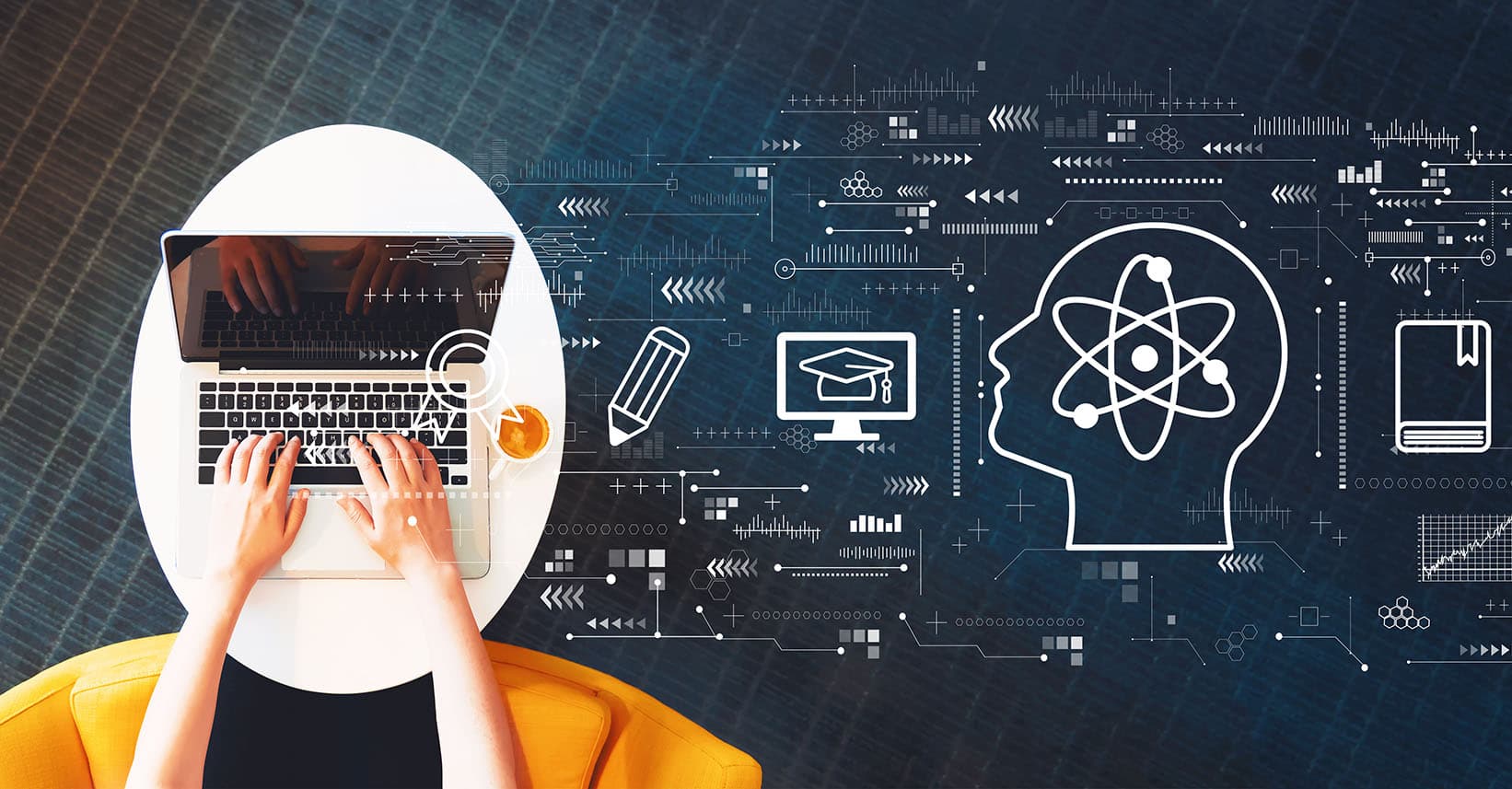
Let's Understand ODL
ODL constitutes two elementary components. They are,
Open Learning
This allows accessible education without strict entry requirements, age restrictions, or rigid schedules. It encourages learners to join educational programs based on their interests and abilities rather than formal qualifications.
Distance Learning
This refers to educational experiences where students and instructors are physically separated. Learning takes place remotely through digital tools and platforms such as Zoom, Google Classroom, Moodle, and institutional Learning Management Systems (LMS). This has overcome space barriers while saving resources in a considerable manner.

This educational model gained immense popularity during the COVID-19 pandemic, as many universities globally, including my own, adopted online systems to maintain academic continuity and student engagement during lockdown periods.
Why ODL Matters in Today's World?
This is not just a temporary solution, it is a forward-thinking approach to education with numerous potentials. Some are as follows,
Global Accessibility
Students living in rural or remote areas can access quality education without relocating to urban centers.
Time Flexibility
Ideal for working students, parents, or individuals with additional responsibilities, offering the freedom to manage their learning schedules.
Digital Literacy
Encourages the development of essential technological skills, digital communication, and online research abilities, which are indispensable in today’s professional world.
Self-Directed Learning
Nurtures personal responsibility, discipline (something much required), and decision-making, as students manage their own learning pace, deadlines, and progress.
Challenges to Keep in Mind
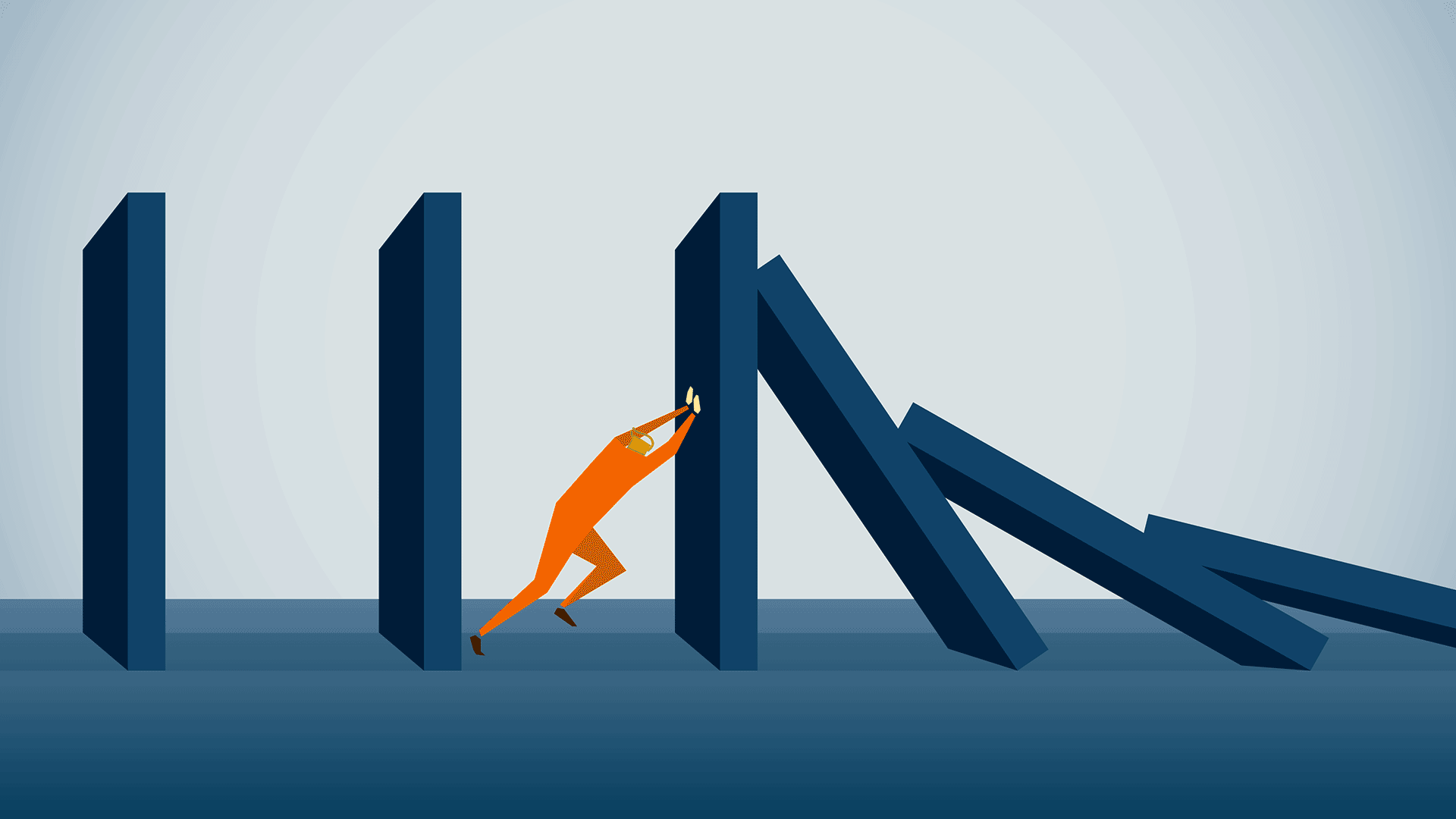
Feelings of isolation and lack of in-person interaction.
Difficulty in maintaining time management and motivation.
Limited opportunities for real-time feedback and peer support.
However there is a Good news. I will address these issues in detail through upcoming blog posts, offering practical strategies and digital tools to overcome these obstacles.
Final Reflection
Open Distance Learning is something more than a modern educational trend as it represents a significant shift in how we perceive and engage with education. By adopting flexible, accessible, and learner focused methods, ODL is reshaping academic experiences for students worldwide. Through this blog series, I aim to guide you in navigating the ODL environment effectively, making your academic journey meaningful, productive, and enjoyable.
Reference List
Anderson, T. (2008). The theory and practice of online learning (2nd ed.). Athabasca University Press.
Holmberg, B. (2005). The evolution, principles and practices of distance education. Bibliotheks- und Informationssystem der Universität Oldenburg.
Moore, M. G., & Kearsley, G. (2012). Distance education: A systems view of online learning (3rd ed.). Wadsworth Cengage Learning.
United Nations Educational, Scientific and Cultural Organization (UNESCO). (2020). Distance learning strategies in response to COVID-19 school closures. https://unesdoc.unesco.org/ark:/48223/pf0000373305


Good article 🥰❤️ And knew unknown so much🫠
ReplyDeleteGood job.. Keep it up.. 🌿👌
ReplyDeleteThank you
Delete